
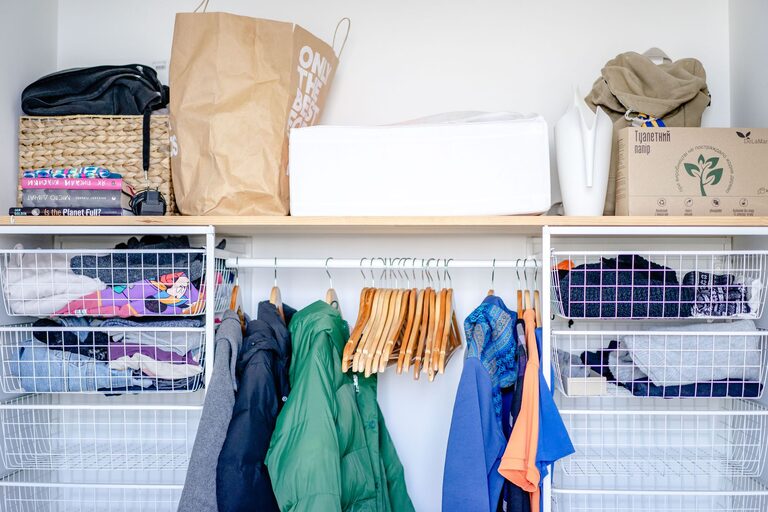
Storing seasonal clothes efficiently can save space, protect your garments, and make switching wardrobes a breeze. Whether you’re packing away winter coats or summer dresses, organizing your seasonal clothes properly helps extend their lifespan and keeps your living space tidy. In this post, we’ll guide you through practical steps and smart storage solutions to maximize your closet and storage areas.
Why Proper Seasonal Clothing Storage Matters
Seasonal clothes often include bulky or delicate items that you don’t wear year-round. Storing these clothes without care can lead to damage, wrinkles, pests, or mold. Efficient storage methods not only protect your clothes but also free up closet space during off-seasons.
Step 1: Sort and Declutter Before Storing
Before packing away your clothes, take time to declutter.
– Try on your clothes: See what still fits and suits your style.
– Separate items to keep, donate, or recycle: Be honest with yourself about what you actually wear.
– Repair damaged items: Fix loose buttons, hems, or zippers before storing.
Decluttering ensures you store only what you need, making future wardrobe switches easier.
Step 2: Clean Clothes Before Storing
Always wash or dry clean clothes before storage to remove dirt, oils, and odors that attract pests or cause stains over time.
– Follow garment care labels.
– Make sure clothes are completely dry to prevent mildew.
– For wool or delicate fabrics, consider moth repellents or cedar blocks.
Clean clothes maintain freshness and help preserve fabric quality.
Step 3: Choose the Right Storage Containers
Selecting appropriate storage containers protects your clothes and keeps them organized.
Types of Containers
– Plastic bins with lids: Offer airtight protection and stackability.
– Fabric storage bags: Breathable but less protective against moisture.
– Vacuum-seal bags: Great for space-saving, but not ideal for delicate fabrics.
Storage Tips
– Avoid cardboard boxes as they can attract pests and absorb moisture.
– Use clear containers to quickly identify contents.
– Label each container with contents or category for easy retrieval.
Step 4: Organize Clothes by Category
Grouping similar items together helps find what you need without digging.
– Separate by type (e.g., sweaters, jackets, dresses).
– Consider organizing by color or occasion if useful.
– Fold bulky items like sweaters to prevent stretching.
– Hang delicate items on padded hangers and cover them with breathable garment bags.
Step 5: Use Space-Saving Techniques
Maximize your storage space with clever methods.
– Roll clothes: Rolling reduces wrinkles and saves space compared to folding.
– Use shelf dividers: Keep stacks neat and prevent toppling.
– Store items vertically: Use clear bins to stack vertically for easy access.
– Utilize under-bed storage: Slim containers fit well under beds or furniture.
– Install hooks or racks: For hats, scarves, or accessories.
Step 6: Maintain Proper Storage Environment
Clothing condition depends on the environment where they’re stored.
– Store clothes in a cool, dry place away from direct sunlight.
– Avoid humid areas like basements or attics prone to moisture.
– Use silica gel packets or moisture absorbers to reduce humidity.
– Regularly check stored items for any signs of damage or pests.
Step 7: Access Your Stored Clothes Easily
Efficient storage is about both protection and accessibility.
– Keep frequently used seasonal items near the front or in easy reach.
– Label containers clearly.
– Consider a “season switch” checklist for when you rotate wardrobes.
Bonus Tips for Specific Clothes
– Wool and knitwear: Fold carefully and store with cedar blocks to deter moths.
– Leather jackets: Use breathable garment bags and avoid plastic.
– Delicate silks: Store flat or rolled in acid-free tissue paper.
Conclusion
Storing seasonal clothes efficiently helps keep your wardrobe fresh and your home organized. By decluttering, cleaning, and using the right containers and storage methods, you protect your clothes and create space for everyday essentials. Try these tips and enjoy an easier wardrobe transition each season!