
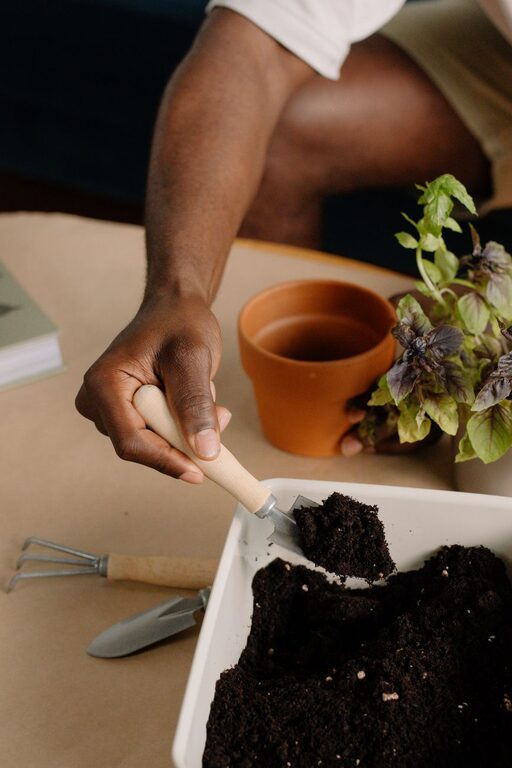
Starting a small herb garden indoors is a rewarding and practical way to enjoy fresh flavors in your cooking all year long. Whether you have limited outdoor space or simply want to bring some greenery into your home, growing herbs indoors can be both enjoyable and easy. This guide will walk you through the basics of setting up your own indoor herb garden, from choosing the right herbs to caring for them properly.
Why Grow Herbs Indoors?
Growing herbs indoors offers several benefits:
– Access to fresh herbs anytime
– Adds natural fragrance and greenery to your living space
– Saves money on store-bought herbs
– Provides a fun and educational hobby, especially for beginners
Choosing the Right Herbs for Indoor Gardening
Not all herbs thrive indoors, so it’s best to pick varieties that adapt well to indoor conditions. Some popular and easy-to-grow indoor herbs include:
– Basil: Loves bright light and warmth; perfect for sunny windowsills.
– Parsley: Can tolerate moderate light and grows well in pots.
– Thyme: Prefers plenty of light and well-drained soil.
– Chives: Needs bright light and regular watering.
– Mint: Grows well indoors but can spread quickly; keep it contained.
– Cilantro: Prefers cooler temperatures and bright light but can be a bit short-lived indoors.
What You’ll Need to Get Started
Before planting, gather the following materials:
– Small pots or containers with drainage holes (4-6 inch pots work well)
– Potting mix designed for indoor plants or herbs
– Seeds or starter plants (seedlings from a nursery)
– A sunny windowsill or a place with at least 6 hours of light per day
– Watering can or spray bottle
– Fertilizer (optional, use a balanced, water-soluble type)
Step-by-Step Guide to Starting Your Indoor Herb Garden
1. Select Containers
Choose containers with good drainage to prevent waterlogging, which can harm plant roots. You can reuse small pots or even try upcycling containers like teacups or jars — just make sure to add drainage holes.
2. Prepare the Soil
Use a light, well-draining potting mix. Avoid garden soil, which can be too dense and may contain pests. Fill your pots with soil, leaving about an inch of space at the top.
3. Plant Your Seeds or Seedlings
– If starting from seeds, follow the packet’s instructions for planting depth.
– If using seedlings, gently loosen the root ball before planting to encourage new growth.
Water the soil lightly after planting, keeping it moist but not soggy.
4. Choose the Best Location
Place your herb containers in a spot that receives plenty of natural sunlight, ideally a south-facing window. If natural light is insufficient, consider using a grow light to supplement.
5. Watering Schedule
Herbs generally like consistent moisture but dislike soggy soil. Water when the top inch of soil feels dry. Use room-temperature water and avoid overwatering.
6. Feeding Your Herbs
Fertilize herbs every 4-6 weeks with a diluted, balanced fertilizer to keep them healthy and productive.
7. Pruning and Harvesting
Regularly trim your herbs to promote bushier growth and prevent them from flowering too soon. Harvest leaves as needed, but avoid removing more than one-third of the plant at a time.
Tips for Success
– Rotate Your Plants: Turn your pots every few days to ensure even light exposure.
– Monitor Humidity: Indoor air can be dry, especially in winter. Mist your herbs or use a humidity tray if needed.
– Keep an Eye Out for Pests: Indoor herbs can attract pests like aphids or spider mites. Treat infestations with natural remedies like insecticidal soap.
– Re-pot as Needed: If your herbs outgrow their containers, transplant them into larger pots.
Troubleshooting Common Problems
– Yellow Leaves: May indicate overwatering or lack of nutrients.
– Leggy, Spindly Growth: Often a sign of insufficient light.
– Wilting: Could be due to underwatering or root problems.
Adjust your care routine accordingly to keep your herbs flourishing.
Final Thoughts
Starting a small indoor herb garden is a great way to add freshness and flavor to your meals while brightening up your home environment. With a little time and attention, you’ll soon enjoy the satisfaction of harvesting your own herbs right from your windowsill. Happy gardening!