
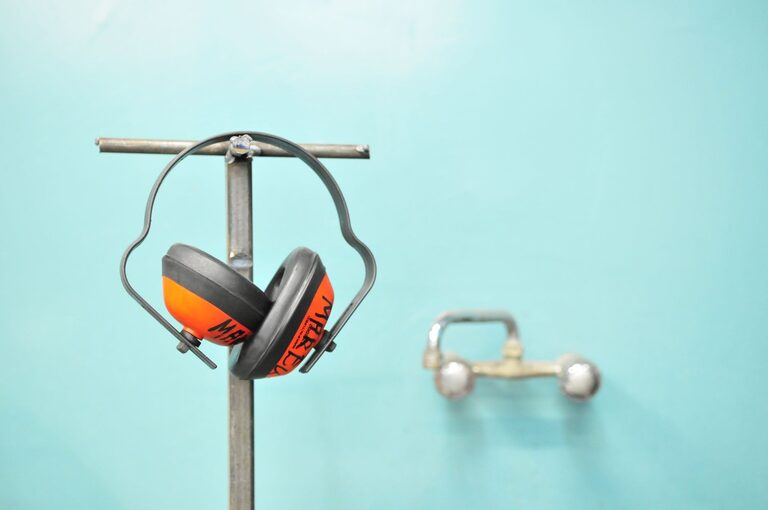
Creating a calm and quiet home environment is important for relaxation, focus, and overall well-being. Whether you live in a busy city, a noisy neighborhood, or simply want to reduce everyday sounds inside your home, there are many simple ways to reduce noise. This guide explores practical tips and affordable solutions to help you enjoy a quieter living space without major renovations.
Why Reducing Noise at Home Matters
Excessive noise can increase stress levels, interrupt sleep, and reduce concentration. It may come from outside sources like traffic and neighbors, or from inside your home such as appliances, footsteps, and conversations. Taking steps to reduce noise improves your comfort, boosts productivity, and creates a more peaceful atmosphere.
Common Sources of Noise in Homes
– Outdoor noises: Traffic, lawn mowers, barking dogs, construction
– Indoor noises: TV, music, kitchen appliances, HVAC systems
– Structural noises: Footsteps on hard floors, creaky doors, poorly insulated walls
– Neighbors: Thin walls, shared floors or ceilings in apartments
Understanding where noise comes from helps you choose the best approach to reduce it.
Practical Ways to Reduce Noise at Home
1. Add Soft Furnishings
Soft materials absorb sound, reducing echo and noise levels. Consider these additions:
– Area Rugs and Carpets: Place rugs on hard floors to soften footsteps and reduce noise transmission.
– Curtains and Drapes: Thick, heavy curtains help block outdoor sounds from windows.
– Upholstered Furniture: Chairs and sofas with fabric coverings absorb sound better than leather or wood.
2. Use Door Sweeps and Weatherstripping
Gaps around doors and windows let sound escape or enter your home.
– Install door sweeps at the bottom of doors to block noise from hallways or outside.
– Apply weatherstripping around windows and doors to seal gaps and prevent sound leakage.
3. Rearrange Your Furniture
Strategically placing furniture can help reduce noise:
– Put bookshelves or large cabinets against shared walls to add a sound barrier.
– Position seating areas away from noisy windows or doors.
– Use plants, especially larger leafy types, which can absorb and diffuse sound.
4. Install Acoustic Panels or Wall Hangings
For more dedicated soundproofing:
– Acoustic panels absorb sound waves and reduce echo, especially in rooms used for music or work.
– Decorative wall hangings, tapestries, or fabric art can also help soften sound.
5. Maintain Appliances and HVAC Systems
Regular maintenance can minimize noise output:
– Clean and tune appliances like refrigerators, fans, and air conditioners to prevent loud operation.
– Replace worn parts or install quieter models when possible.
– Use soundproof mats under washing machines or dryers to reduce vibrations.
6. Use White Noise Machines or Background Music
Masking unwanted noises with gentle background sound can improve comfort:
– White noise machines create consistent ambient noise that reduces the impact of sudden sounds.
– Playing soft music or nature sounds can make your environment feel calmer and less noisy.
7. Seal Cracks and Holes
Sealing small gaps in walls, ceilings, and floors prevents sound travel:
– Use caulk or sealant around window frames, baseboards, and outlets.
– Fill holes that might let sound pass through shared walls.
8. Consider Window Upgrades
If outside noise is a major issue:
– Install double or triple-pane windows for improved sound insulation.
– Add window inserts or storm windows as a more affordable option.
Simple DIY Solutions vs. Professional Help
Many noise-reducing strategies are easy to do yourself with minimal cost. Rugs, curtains, furniture rearrangement, and sealing gaps can make a noticeable difference. For persistent or loud noise problems, consulting a professional for soundproofing solutions like wall insulation or window replacement might be worthwhile.
Tips for Maintaining a Quiet Home
– Encourage household members to keep noise levels low during early mornings or late nights.
– Use rugs or mats in high-traffic areas to soften footsteps.
– Close doors to noisy rooms when not in use.
– Keep pets calm to avoid barking or howling.
Final Thoughts
Reducing noise at home doesn’t have to be complicated or expensive. By combining simple adjustments with mindful habits, you can create a quieter, more comfortable living space. Start with easy changes and see how much difference they make, then explore additional options if you need more sound control.
Enjoy the peace and quiet of your home—a place where you can truly unwind and feel at ease.